

POST TITLE
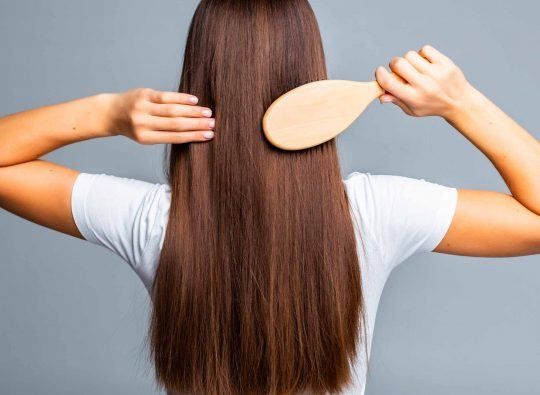
When the seasons change, we often think of two things: our wardrobe and allergies. For some people, however, this transition can also lead to hair loss.
Just like seasonal allergies (or even skin problems), seasonal hair loss occurs when a change in temperature puts stress on the scalp and follicles, causing hair to fall out.
Of course, this phenomenon is more biological and complex than that. This article gives you a general overview of seasonal hair loss and tells you how to combat it.
The Importance of a Healthy Scalp
To prevent seasonal hair loss, keep your hair and scalp as healthy as possible at all times. It's always worth making an extra effort to keep your hair and scalp hydrated, as a dry scalp can cause inflammation and increased hair loss. It can also be helpful to use an intensive treatment mask once a week. Similarly, limiting heat styling can be helpful for the same reasons.
That concludes our brief overview of seasonal hair loss. To learn more about the world of hair, visit the
blog section of our website or
contact us!
Hair Loss in Spring and Autumn
Most people lose more hair in autumn. While we typically lose up to 100 hairs a day, this number can rise to 150 during the more moderate months of the year. The reason? Our hair rests in the telogen phase in summer and enters the exogen phase (or shedding phase) in autumn and sometimes in spring.
Although this phenomenon is not fully understood, a 2009 study by Swiss researchers found that, of 823 women evaluated over a six-year period, more entered the telogen phase during the summer than at any other time of year; however, further research is needed to determine the link between autumn and the exogen phase.
Seasonal Hair Loss and Telogen Effluvium
As you may have guessed, the number one symptom of seasonal hair loss is increased hair loss at a particular time of year. When this occurs, you may notice more hair in your brush after combing, which corresponds to diffuse loss.
It is important to note that hair falls out all over the scalp, not just in one area, unless you have a specific hair condition. However, this phenomenon is often confused with telogen effluvium, which is temporary, abundant, non-localised hair loss caused by stress.
The difference between seasonal hair loss and telogen effluvium? The only stress associated with the former is a change in temperature that triggers your scalp and follicles to enter a moulting phase. Of course, it can be difficult to know the cause of the problem. That's why we recommend using our free consultation service to shed light on the issue of hair loss.